
How to Track Your Gym Workouts Properly: A Guide for Lifters
Workout tracking is often misunderstood. Some gym-goers write down every tiny detail and burn out within three weeks; others track nothing, relying solely on intuition, only to find themselves lifting the identical 80kg barbell bench press twelve months later.
To make your workout log useful, it needs to capture the specific variables that drive physical adaptation without becoming a chore that interrupts your training flow.
1. What You Must Record on Every Set
When logging a resistance training set, four primary metrics matter:
- Exercise Name & Variation: Be specific. “Incline Dumbbell Press (30°)” is vastly different from “Flat Dumbbell Press”. Small adjustments to bench angles or grip widths alter leverage and loading.
- Load (Weight): Specify the exact weight, noting whether you use kilograms (kg) or pounds (lbs). If an exercise is bodyweight, record added external weight (e.g., Pull-ups + 10kg) or note bodyweight if unweighted.
- Completed Repetitions: Record only repetitions completed with full, repeatable range of motion. If you needed a spotter to pull the bar off your chest on rep 8, that rep does not count as completed independently.
- Rate of Perceived Exertion (RPE) or Reps in Reserve (RIR): How close to failure was the set? Recording whether a set of 10 was at RPE 7 (3 reps left) or RPE 10 (absolute muscular failure) provides the context required to adjust load next week.
2. Segregate Warm-Up Sets from Working Sets
One of the most common workout tracking errors is calculating total volume by lumping light warm-up sets in with working sets.
A warm-up set of 10 reps with an empty 20kg bar prepares joints and neurological pathways, but it generates negligible stimulus for muscle hypertrophy. If you include that 200kg of warm-up tonnage into your working volume, your progression trends become distorted.
In GF Track, always tag preliminary sets with the W (Warm-up) badge. This keeps your working volume metrics focused solely on effective sets that trigger adaptation.
3. Keep Rest Intervals Consistent
If you bench pressed 100kg for 8 reps with 4 minutes of rest last week, but attempt 100kg for 8 reps with only 90 seconds of rest today, your performance will drop. Without logging rest times, you might incorrectly assume you lost strength, when in fact you merely experienced accumulated metabolic fatigue.
Use an automatic countdown timer between sets. Aim for:
- Compound Lifts (Squats, Deadlifts, Presses): 2.5 to 5 minutes of rest to ensure full central nervous system and ATP-PC replenishment.
- Accessory & Isolation Movements (Curls, Lateral Raises, Pushdowns): 60 to 90 seconds of rest.
4. Log in Real Time Between Sets
Never wait until you get home or finish your workout to log your numbers. By the time you shower and drive home, you will not remember whether you hit 8 or 9 reps on your third set of overhead presses, or what RPE you experienced.
Keep your workout logging app open on your phone. The moment you rack the barbell:
- Tap to confirm or nudge your reps and load (takes 3 to 5 seconds).
- Let the rest interval timer start automatically.
- Focus on breathing and preparing mentally for your next effort.
5. Review Previous Performance Before Unracking
The primary benefit of a digital workout tracker like GF Track is immediate recall. Before you unrack the bar, look at what you achieved in your last session.
If your previous entry shows 100kg × 8 reps @ RPE 8, your goal for today is explicit: hit 9 reps at the same RPE, or increase the load to 102.5kg for 8 reps. Having this target right before your eyes eliminates hesitation and guarantees progressive overload.
Track these metrics in GF Track
Log sets, reps, and RPE with automated countdown rest timers and full on-device privacy.
Related Strength Guides
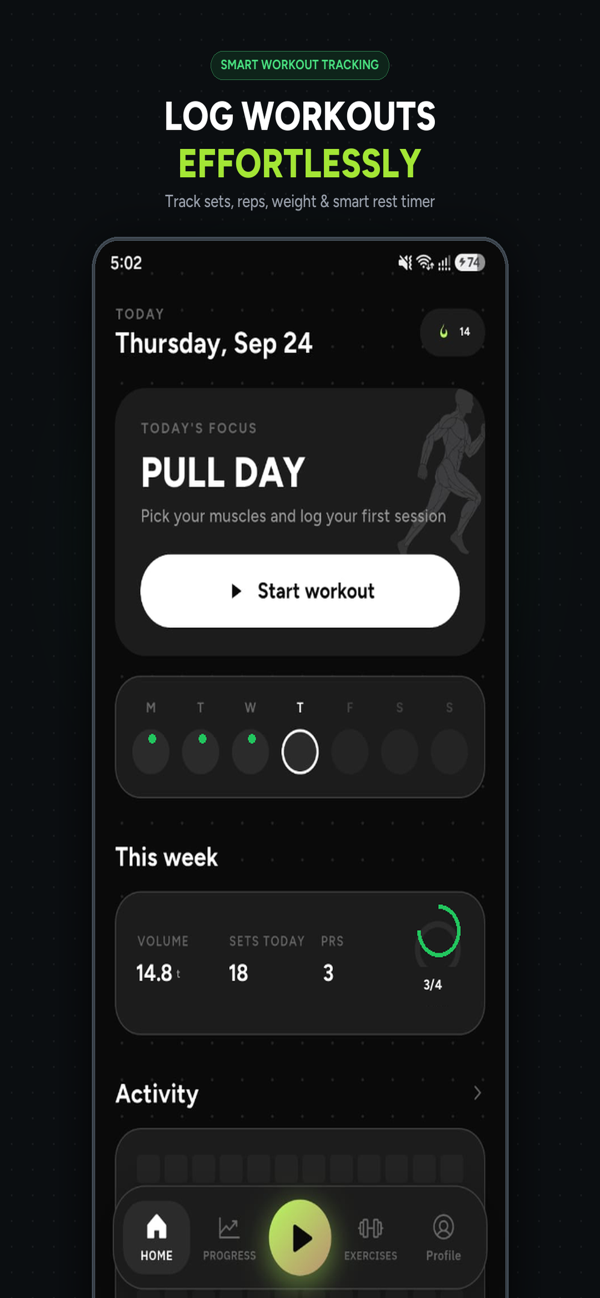
RPE vs RIR: How to Accurately Gauge Workout Intensity in the Gym
A complete guide to Rate of Perceived Exertion (RPE) and Reps in Reserve (RIR) for strength training, autoregulation, and hypertrophy.
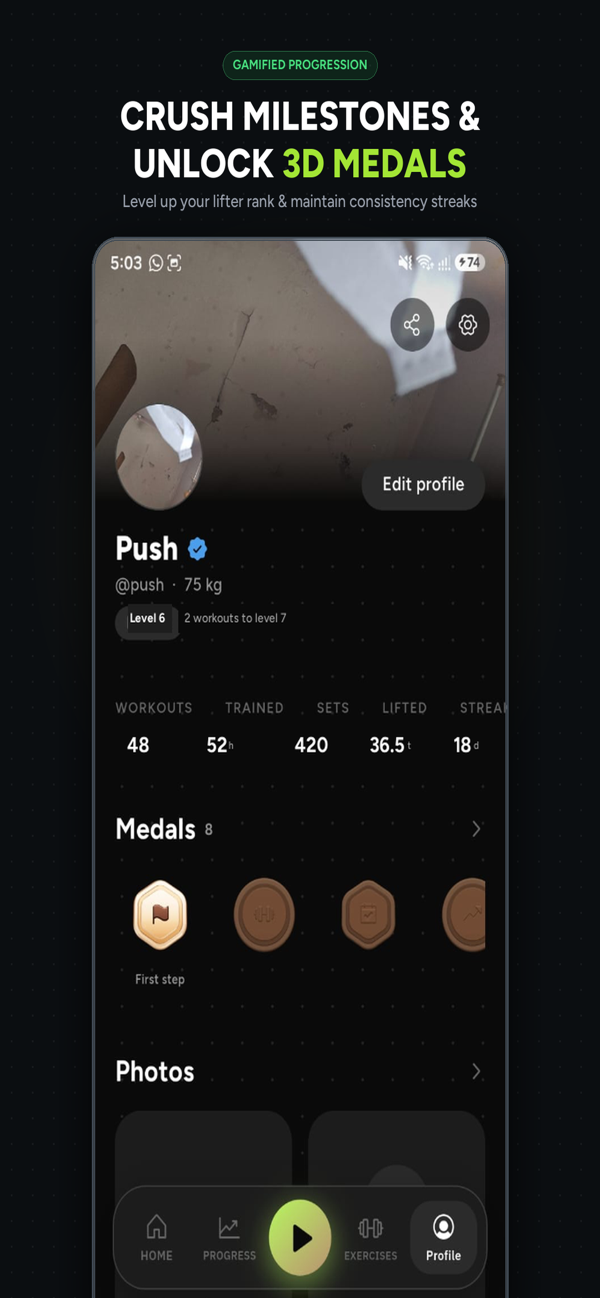
How to Build a Consistent Workout Logging Habit That Sticks
Why most lifters abandon their workout logs after three weeks, and the simple behavioral strategies to make gym tracking effortless and permanent.
How to Structure a Push Pull Legs (PPL) Split for Maximum Strength & Size
A complete programming guide to organizing Push, Pull, and Leg workouts, exercise selection, weekly frequency, and volume balance.